

Hey there! As a supplier of silicone nipple covers, I've heard a lot of questions from customers, and one that comes up pretty often is how to clean sticky residue from these little wonders. So, I thought I'd share some tips and tricks that I've gathered over the years to help you keep your silicone nipple covers in top-notch condition.
First things first, let's talk about why you might end up with sticky residue on your silicone nipple covers. There are a few reasons for this. Sometimes, it could be from the natural oils on your skin. Our skin produces sebum, which is an oily substance that helps keep our skin lubricated. When you wear silicone nipple covers, this sebum can transfer onto the covers and leave a sticky feeling. Another reason could be from the adhesive on the covers. Over time, the adhesive might break down or attract dust and debris, leading to that unwanted stickiness.
Now, let's get into the cleaning methods. There are a few different ways you can clean the sticky residue from your silicone nipple covers, and I'll go through each one in detail.
Method 1: Using Mild Soap and Water
This is probably the simplest and most common method. All you need is some mild soap and warm water. I recommend using a gentle, fragrance-free soap to avoid any irritation to your skin. Here's how you do it:
- Fill a small bowl with warm water. Make sure the water isn't too hot, as high temperatures can damage the silicone.
- Add a small amount of mild soap to the water and mix it well to create a soapy solution.
- Gently place your silicone nipple covers into the soapy water. Use your fingers to gently rub the covers, paying special attention to the areas with the sticky residue.
- Rinse the covers thoroughly under running water to remove all the soap. Make sure there's no soap left on the covers, as this can also cause irritation.
- Pat the covers dry with a clean, soft towel. Avoid using a rough towel, as this can scratch the silicone.
This method is great for removing light sticky residue and is gentle enough for regular cleaning.
Method 2: Using Rubbing Alcohol
Rubbing alcohol is another effective way to clean sticky residue from silicone nipple covers. It can dissolve the sticky substances and leave your covers clean and fresh. Here's how to use it:
- Pour a small amount of rubbing alcohol onto a clean, soft cloth. Make sure the cloth isn't too wet, as you don't want to soak the covers.
- Gently rub the cloth over the sticky areas of the silicone nipple covers. You might need to apply a little pressure, but be careful not to damage the covers.
- Once the sticky residue has been removed, wipe the covers with a clean, damp cloth to remove any remaining alcohol.
- Dry the covers with a soft towel.
It's important to note that rubbing alcohol can be a bit harsh, so you shouldn't use this method too often. I'd recommend using it only for stubborn sticky residue.
Method 3: Using Baking Soda
Baking soda is a natural cleaning agent that can help remove sticky residue from silicone nipple covers. It's gentle and safe to use. Here's how to do it:
- Mix a small amount of baking soda with water to create a paste. The consistency should be thick enough to stick to the covers.
- Apply the baking soda paste to the sticky areas of the silicone nipple covers. Use your fingers to gently rub the paste into the residue.
- Let the paste sit on the covers for a few minutes to allow it to work its magic.
- Rinse the covers thoroughly under running water to remove the baking soda paste.
- Dry the covers with a soft towel.
This method is great for removing sticky residue that has built up over time.
Tips for Maintaining Your Silicone Nipple Covers
In addition to cleaning the sticky residue, there are a few things you can do to maintain your silicone nipple covers and prevent sticky residue from forming in the first place.
- Store them properly: When you're not using your silicone nipple covers, make sure you store them in a clean, dry place. You can use the original packaging or a small, clean container to keep them safe.
- Avoid touching the adhesive side with your fingers: Our fingers have natural oils on them, which can transfer onto the adhesive side of the covers and cause stickiness. If you need to handle the covers, try to touch the edges or the non-adhesive side.
- Clean them regularly: Regular cleaning can help prevent the build-up of sticky residue. I recommend cleaning your silicone nipple covers after each use or at least once a week if you don't use them very often.
Now, let me tell you a bit about the silicone nipple covers we offer. We have a wide range of high-quality silicone nipple covers to suit different needs. Check out our 6.5cm 7.5cm Silicone Nipple Cover, which comes in different sizes to ensure a perfect fit. We also have the Reusable Triangular Silicone Nipple Cover, which is designed to provide excellent coverage and support. And if you're looking for a reusable option with strong adhesion, our Reusable Sticky Nipple Cover is a great choice.

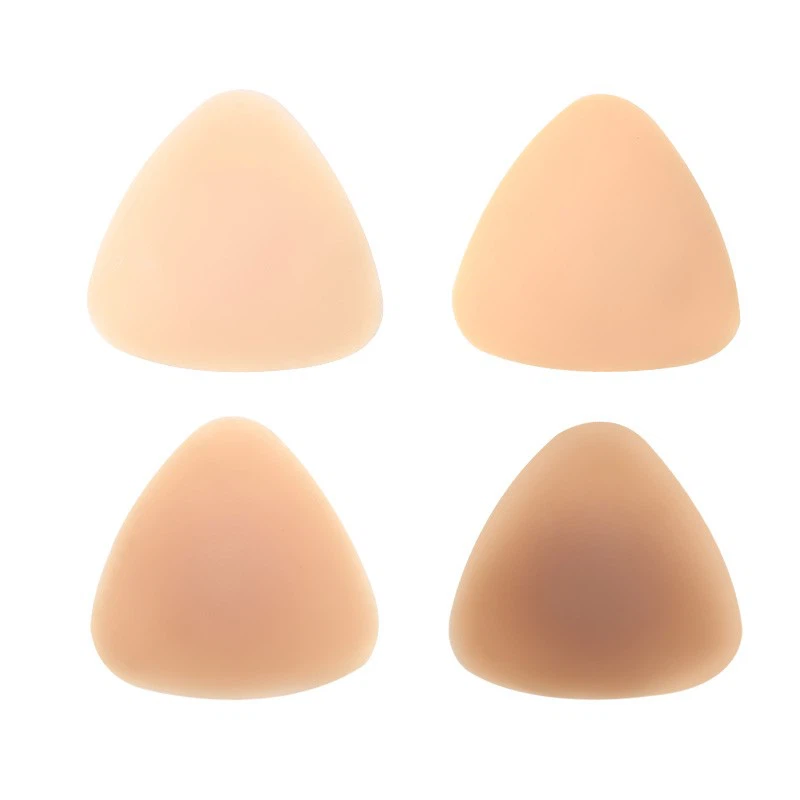
If you're interested in purchasing our silicone nipple covers or have any questions about cleaning or using them, feel free to reach out to us. We're always happy to help and look forward to discussing your needs and potential orders.
References
- General knowledge about silicone materials and cleaning methods.
- Customer feedback and experiences with silicone nipple covers.


